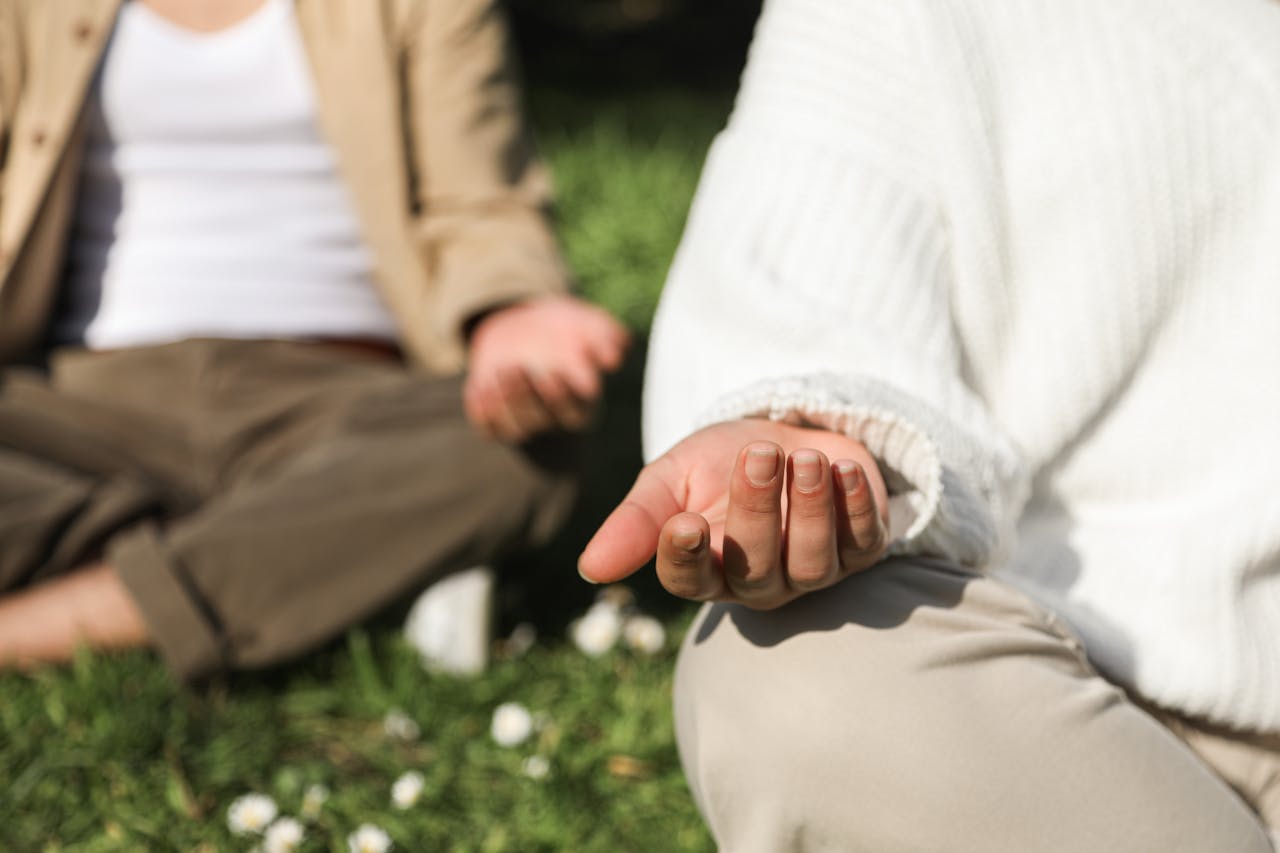
Life doesn’t always go as planned. Sometimes, stress, emotional struggles, or unhealthy habits slowly take control, making everyday life feel overwhelming. In such moments, what a person truly needs is not judgment — but care, guidance, and a safe space to heal. A professional wellness and recovery center offers exactly that: a new beginning filled with hope, support, and transformation.
When Life Feels Out of Control
There are times when individuals feel stuck in patterns they cannot break. Whether it’s emotional distress, lifestyle challenges, or dependency issues, these situations can affect not just one person, but entire families. The good news is — no situation is beyond improvement. With the right environment and support system, positive change is always possible.
What Is a Wellness & Recovery Center?
A wellness and recovery center is a place where individuals receive structured support to overcome personal struggles and rebuild their lives. It focuses on:
- Emotional healing
- Mental clarity
- Healthy lifestyle development
- Long-term personal growth
It’s not just about stopping harmful habits — it’s about building a better life from within.
A Holistic Approach to Healing
True recovery goes beyond surface-level solutions. A well-designed program works on the mind, body, and behavior together.
| ✔ Counseling & Guidance | Professional counselors help individuals understand their thoughts, triggers, and emotional patterns. |
| ✔ Healthy Daily Routine | Structured schedules help bring discipline and stability back into life. |
| ✔ Mindfulness & Relaxation | Yoga, meditation, and breathing exercises reduce stress and improve focus. |
| ✔ Skill Development | Learning new habits and life skills helps individuals regain confidence and independence. |
The Journey Toward a Better Life
Every transformation begins with a single step. The process usually includes:
- Realization – Understanding the need for change
- Stabilization – Creating a safe and supportive environment
- Therapeutic Support – Working through emotional and behavioral challenges
- Growth Phase – Building confidence and life skills
- Continued Support – Maintaining progress after completing the program
Each stage is important and brings lasting positive change.
Removing Fear & Misunderstanding
Many people hesitate to seek help because of social stigma or fear of being judged. But the truth is:
- Asking for help shows courage
- Everyone faces challenges at some point
- Change begins with acceptance
A supportive center focuses on respect, privacy, and dignity at every step.
The Importance of Family Support
Family plays a powerful role in recovery. Encouragement, patience, and understanding can make a huge difference. Helpful ways families can support:
- Listening without criticism
- Motivating positive behavior
- Being present during difficult moments
Together, healing becomes stronger and faster.
Life After Recovery
The journey doesn’t end — it transforms into a new way of living. Individuals often experience:
- Improved mental strength
- Better relationships
- Clear life goals
- A sense of peace and control
It’s not just about overcoming struggles — it’s about rediscovering yourself.
Final Words
A wellness and recovery center is not just a place — it’s a path toward a healthier, happier future. If you or someone you care about is facing challenges, remember:
- Support is available
- Change is possible
- A new life is within reach
Taking the first step today can lead to a completely different tomorrow. Get in Touch with Nayejeevankiaur.
FAQs
1. What services does a wellness and recovery center provide?
It offers counseling, structured routines, therapy sessions, and holistic practices to help individuals improve their mental and emotional well-being.
2. How long does the program usually last?
The duration depends on individual needs and progress, ranging from a few weeks to several months.
3. Is privacy maintained?
Yes, professional centers ensure complete confidentiality and a safe environment.
4. Can family members participate?
Yes, many programs encourage family involvement to strengthen recovery.
5. Is full recovery possible?
With proper care, commitment, and support, long-term improvement is absolutely achievable.