Sleep problems are becoming increasingly common in today’s stressful lifestyle. From insomnia and anxiety to irregular sleep patterns, many people rely on sleeping pills for quick relief. While these medicines may help temporarily, excessive or long-term use can become dangerous and even life-threatening. A sleeping pills overdose can seriously affect the brain, heart, breathing, and overall health.
At Naye Jeevan Ki Aur, we believe awareness and timely treatment can save lives. This detailed guide explains the causes, symptoms, side effects, risks, and treatment options for sleeping pill overdose and addiction in a simple, easy-to-understand way.
What Are Sleeping Pills?
Sleeping pills, also called sleep aids or hypnotics, are medications used to help people fall asleep or stay asleep. Doctors may prescribe them for short-term sleep disorders like insomnia, anxiety-related sleeplessness, or stress. These medicines work by calming brain activity and creating a relaxing effect that promotes sleep.
Common Types of Sleeping Pills
Benzodiazepines
Medicines like Diazepam and Lorazepam slow down brain activity by increasing the effect of a calming chemical called GABA.
Non-Benzodiazepine Hypnotics (Z-Drugs)
Drugs like Zolpidem and Zopiclone are commonly prescribed for insomnia and work similarly to benzodiazepines.
Melatonin Receptor Agonists
Medicines such as Ramelteon mimic melatonin, the natural sleep hormone that controls the sleep cycle.
Antihistamines
Some over-the-counter sleep medicines contain antihistamines like Diphenhydramine, which can cause drowsiness.
Barbiturates
Older medications like Phenobarbital are rarely prescribed today due to their high risk of addiction and overdose.
How Do Sleeping Pills Work?
Most sleeping medications affect chemicals in the brain to reduce alertness and create a calming sensation. Some increase GABA activity, while others mimic melatonin or suppress wakefulness signals. Although these medicines may help in the short term, taking them without medical supervision or for a long period can lead to dependency and addiction.
Long-Term Side Effects of Sleeping Pills
Using sleeping pills regularly for a long duration can harm both physical and mental health.
Tolerance Development
Over time, the body becomes used to the medicine, requiring higher doses to achieve the same effect.
Dependency & Addiction
Many people become emotionally and physically dependent on sleeping pills and cannot sleep naturally without them.
Memory & Cognitive Problems
Long-term use may affect memory, concentration, decision-making, and overall brain function.
Daytime Drowsiness
People often feel tired, sleepy, and low on energy throughout the day, increasing the risk of accidents.
Mental Health Issues
Excessive use can worsen anxiety, depression, mood swings, and emotional instability.
Disturbed Natural Sleep Cycle
Dependency on sleep medicines can disrupt the body’s natural sleep rhythm and reduce sleep quality.
Withdrawal Symptoms
Stopping sleeping pills suddenly may cause:
- Anxiety
- Irritability
- Restlessness
- Panic attacks
- Rebound insomnia
What Causes Sleeping Pill Overdose?
A sleeping pill overdose usually happens when:
- Someone takes more than the prescribed dose
- Sleeping pills are mixed with alcohol or drugs
- Multiple medicines are taken together
- A person abuses sleeping tablets for recreational purposes
- Someone accidentally consumes excess medication
- Emotional stress or depression leads to intentional overdose
Overdose risk becomes much higher when sleeping pills are combined with alcohol, opioids, or anti-anxiety medications.
Symptoms of Sleeping Pill Overdose
The effects of overdose can range from mild to severe depending on the dosage and type of medication consumed.
Early Symptoms
- Extreme drowsiness
- Dizziness
- Nausea or vomiting
- Confusion
- Memory problems
- Slurred speech
- Poor coordination
- Weakness
- Sleepwalking
Severe Symptoms
- Slow breathing
- Breathing difficulty
- Reduced heart rate
- Bluish lips or skin (cyanosis)
- Cold hands and feet
- Unconsciousness
- Fainting episodes
- Shock
- Seizures
- Coma
A severe overdose is a medical emergency and requires immediate treatment.
Can Sleeping Pills Cause Death?
Yes, consuming a very high dose of sleeping pills can become fatal. The risk increases significantly if sleeping pills are mixed with alcohol or other sedative drugs.
An overdose can slow breathing and heart function to dangerous levels, leading to coma or death if medical help is delayed.
If you suspect someone has overdosed on sleeping pills:
- Call emergency medical services immediately
- Do not leave the person alone
- Keep them awake if possible
- Avoid giving food or drinks without medical advice
Treatment for Sleeping Pill Addiction & Overdose
Treatment depends on the severity of overdose and the level of addiction.
Emergency Medical Care
Doctors may provide:
- Oxygen support
- IV fluids
- Stomach cleansing
- Activated charcoal
- Heart and breathing monitoring
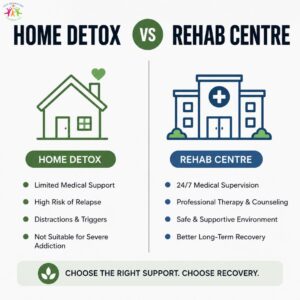
Detoxification Programs
Detox helps remove harmful substances safely from the body under medical supervision.
Psychological Counselling
Therapy helps patients understand the root cause of addiction, stress, anxiety, or emotional triggers.
Rehabilitation Programs
Structured rehab programs provide:
- Addiction recovery treatment
- Relapse prevention
- Emotional healing
- Lifestyle improvement
- Mental health support
Family Support Therapy
Addiction affects the entire family. Counselling sessions help rebuild trust and emotional support.
Sleeping Pill Addiction Treatment with us
At Naye Jeevan Ki Aur, we provide compassionate and professional treatment for sleeping pill addiction, substance abuse, and mental health recovery.
Our rehabilitation programs focus on complete healing through:
- Safe medical detox
- 24/7 professional care
- Personalized recovery plans
- Anxiety & depression treatment
- Counselling & therapy sessions
- Relapse prevention programs
- Emotional and mental wellness support
We provide a peaceful, supportive, and confidential environment where individuals can recover safely and rebuild a healthier life.
How to Prevent Sleeping Pill Overdose
- Take medicines only as prescribed by a doctor
- Never mix sleeping pills with alcohol
- Avoid increasing dosage without medical advice
- Store medicines safely away from children
- Seek professional help for long-term sleep problems
- Consider therapy and lifestyle changes for natural sleep improvement
Conclusion
Sleeping pills may offer temporary relief from sleep problems, but misuse and overdose can have serious consequences. Understanding the warning signs, risks, and side effects is important for protecting yourself and your loved ones.
If you or someone close to you is struggling with sleeping pill dependency or overdose, professional help can make recovery possible.
Naye Jeevan Ki Aur is committed to helping individuals overcome addiction and regain control of their lives through expert care, counselling, and rehabilitation support.
FAQs
What happens during a sleeping pill overdose?
A sleeping pill overdose slows down brain and body functions, causing drowsiness, breathing problems, unconsciousness, and sometimes coma.
Can sleeping pills become addictive?
Yes, long-term or excessive use of sleeping pills can lead to dependency and addiction.
Is sleeping pill overdose dangerous?
Yes, overdose can affect breathing, heart rate, and brain function and may become life-threatening without immediate treatment.
What should I do if someone overdoses on sleeping pills?
Call emergency medical services immediately and seek professional medical help without delay.
Can sleeping pill addiction be treated?
Yes, with proper detox, counselling, therapy, and rehabilitation, recovery from sleeping pill addiction is possible.